The Best Acid Reflux Remedies of 2026
We compared the five most common acid reflux treatments — from the pharmacy aisle to a newer DGL-based supplement. Only one addresses the root cause instead of masking the symptom.



Key Takeaways
- Most acid reflux treatments attack the acid. For chronic sufferers, the real problem is usually a weakened stomach lining that can't tolerate normal acid anymore.
- PPIs (Prilosec, Nexium) carry a 14-day-max OTC label; antacids like Tums trigger rebound acid — both keep you in a cycle instead of fixing it.
- DGL (deglycyrrhizinated licorice) is the only category in our review with 100+ clinical studies showing it supports the stomach's natural protective lining. Our #1 pick delivers it in a gummy format that solves the compliance problem that killed DGL tablets for decades.
The mainstream acid-reflux aisle is built around one idea: turn off the acid. But for most chronic sufferers, acid isn't the problem — a worn-down mucus layer that can't tolerate normal acid anymore is. Four of the five options below treat the symptom. One is built around the underlying issue. Here's how they stack up.
— Dr. Marcus R., Gastroenterologist
Belly Jellys DGL Gummies
Deglycyrrhizinated licorice · Berry-flavored gummy · 30-day supply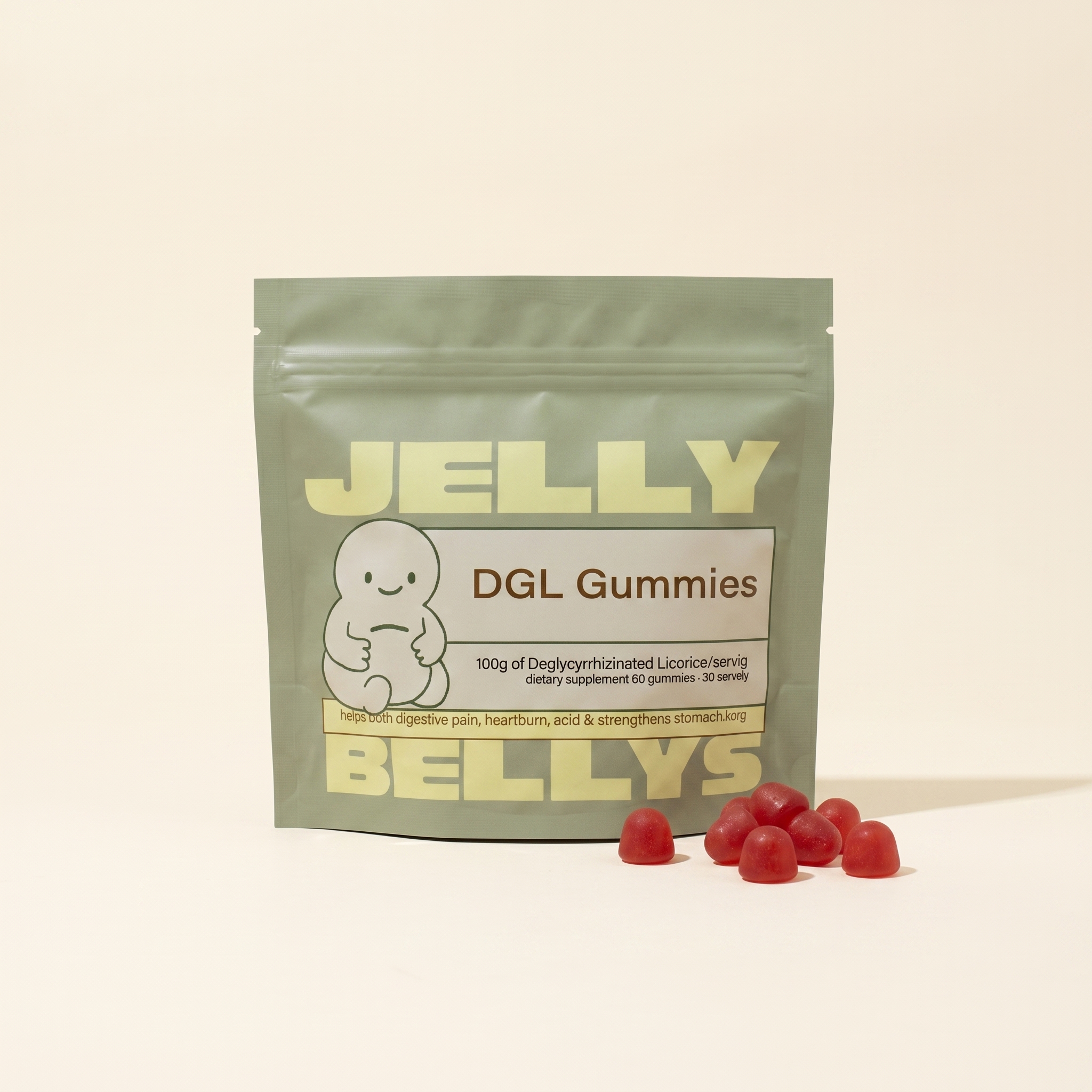
Pros
- Addresses root cause — DGL stimulates the stomach's natural mucus barrier instead of blocking acid production
- Safe for long-term daily use with no "14-day max" warning label
- No rebound hyperacidity when you stop taking it (unlike PPIs)
- Backed by 100+ clinical studies — DGL beat Tagamet head-to-head in published human trials (78% ulcer reduction vs. 34% placebo)
- Berry-flavored gummy format solves the compliance problem that has killed DGL tablets for decades
- Deglycyrrhizinated — no blood pressure concerns (unlike regular licorice)
- Made in a US FDA-registered GMP-certified facility; 60-day money-back guarantee
- Most users report relief within 30 minutes; substantial improvement by Day 3-7
Cons
- Not a "fast knockdown" like a PPI — mechanism is protective, so acute severe flare-ups may still need short-term OTC intervention
- Direct-to-consumer only; not available in pharmacy aisles
- Single-bag price ($37) is higher than generic antacid bottles — best value requires the 3-bag bundle
The Bottom Line
Belly Jellys is the only option in this review with a mechanism designed to support the stomach's natural protective barrier while continuing to let you digest food normally — rather than fighting your body's own acid production. DGL's clinical track record is long and well-documented (including head-to-head comparisons against prescription H2 blockers), and the gummy format removes the single biggest reason DGL tablets historically failed for patients: no one could stand the taste long enough to stay consistent. If you've been cycling through the drug aisle for years, this is a reasonable first thing to try.
What Belly Jellys Customers Are Saying
Famotidine (Pepcid AC)
H2-receptor blocker · OTC and prescription · 10mg / 20mg / 40mg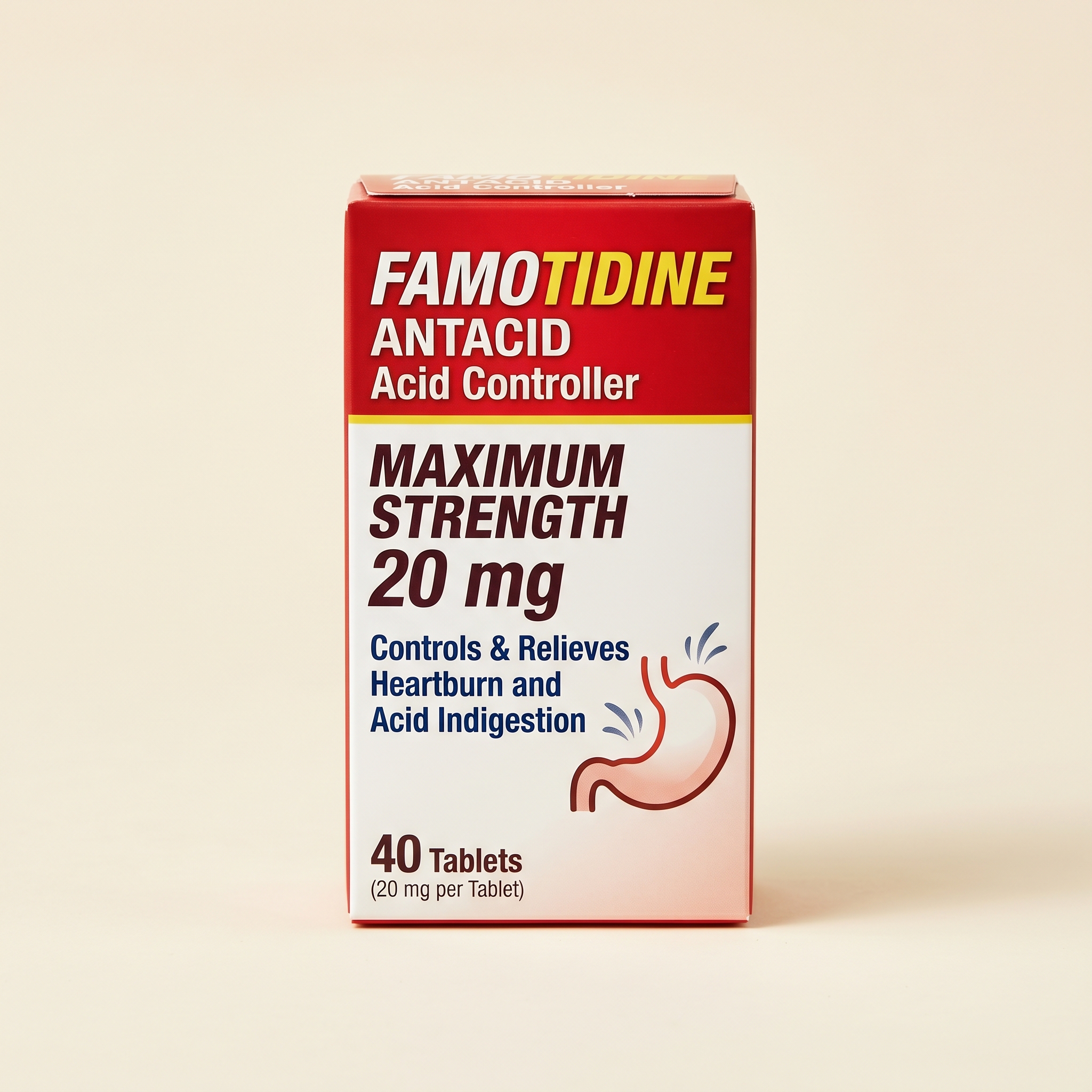
Pros
- Decades of clinical use; FDA-approved for heartburn and GERD
- Fast onset (60-90 minutes) and lasts up to 12 hours per dose
- Much cheaper than branded PPIs; generic is widely stocked
- Easier to taper off than PPIs (less rebound effect)
- No "14-day-max" label like some PPI OTCs
Cons
- Tolerance builds over weeks — many users find efficacy drops with daily use
- Suppresses acid rather than protecting the stomach lining — treats symptom, not cause
- Observational studies have raised questions about long-term H2 blocker use and cognitive decline in older adults (mixed evidence)
- Can reduce absorption of B12, iron, and magnesium with sustained use
- The Zantac (ranitidine) recall in 2020 cast a shadow over the H2 category; famotidine is a different compound but some patients remain cautious
The Bottom Line
Famotidine is a reasonable middle option — more forgiving than a PPI, more sustained than an antacid. It works, the evidence is strong, and for moderate intermittent heartburn it's hard to beat on cost. But like every drug in this category, it treats symptoms, not cause. Tolerance is real, and the mechanism doesn't address what's actually going on underneath.
Omeprazole (Prilosec / Nexium-class PPIs)
Proton-pump inhibitor · OTC and prescription · 20mg / 40mg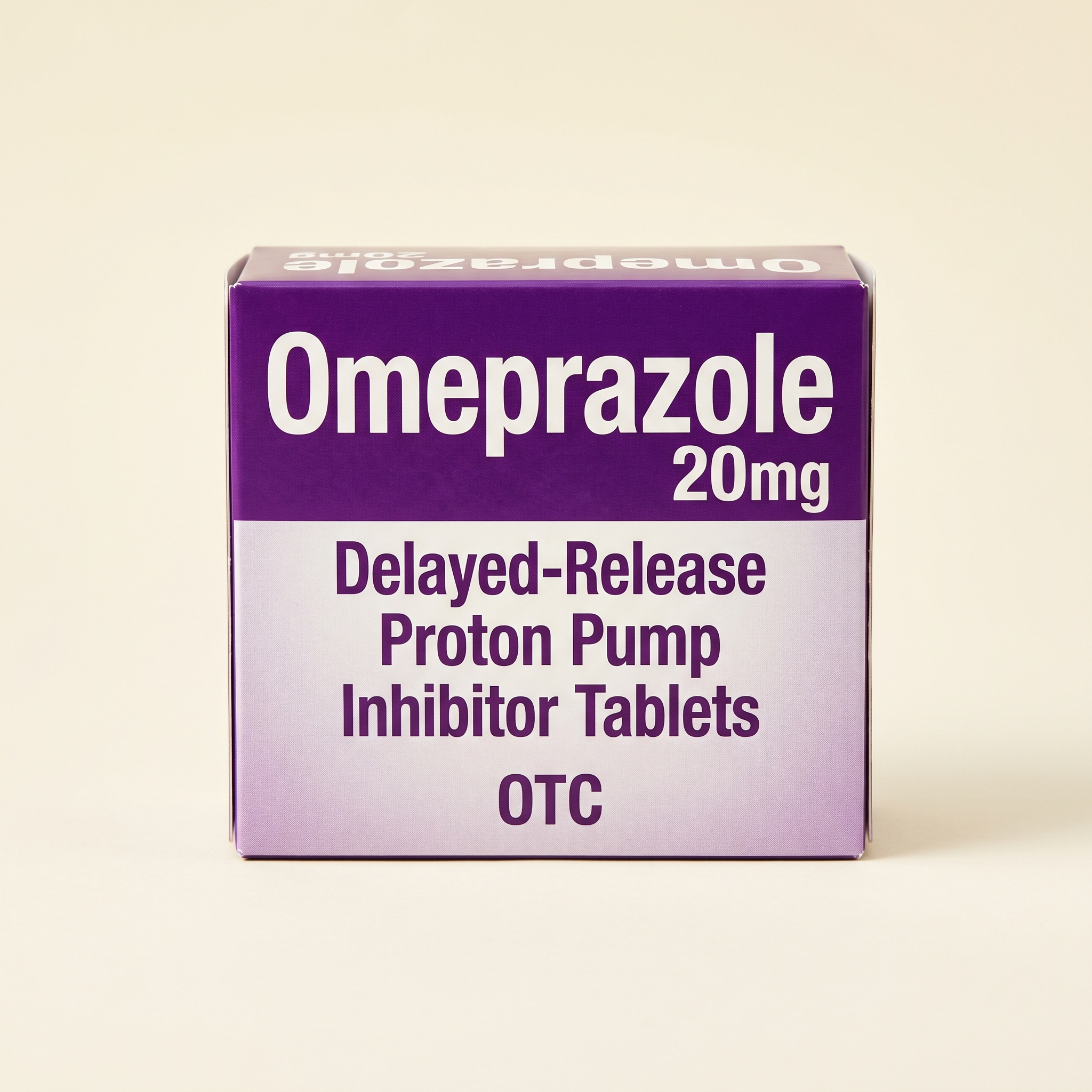
Pros
- Most powerful acid reducer available OTC — reliably effective for acute severe GERD flare-ups
- FDA-approved for erosive esophagitis and Zollinger-Ellison syndrome
- Strong short-term clinical data; well-understood by physicians
- Clinically indicated for short-term management of active esophagitis under physician supervision
Cons
- OTC label specifically states: "do not use for more than 14 days" — the drug was not designed for chronic daily use
- Well-documented rebound hyperacidity when stopped — only 27% of long-term users successfully discontinue without recurrence
- Long-term use (>1 year) linked in peer-reviewed studies to: B12 deficiency, magnesium deficiency, osteoporosis/hip fractures, kidney injury, C. difficile infection, and pneumonia
- Shuts off acid production — but stomach acid is necessary for protein digestion, mineral absorption, and pathogen defense
- Does nothing to support the stomach or esophageal lining itself
The Bottom Line
PPIs are powerful, effective, and were originally designed to treat severe active esophagitis over a 4-8 week course — not chronic daily maintenance. The category has become a default long-term prescription for millions, which the underlying clinical evidence does not support. If you're on a PPI, talk to your doctor about a tapering plan and ask what mucosal-protective alternatives are appropriate. For acute severe flare-ups under medical supervision: useful. For everyday lifelong use: the risks eventually catch up.
Calcium Carbonate Antacids (Tums / Rolaids)
Neutralizing antacid · OTC chewable · 500-1000mg calcium carbonate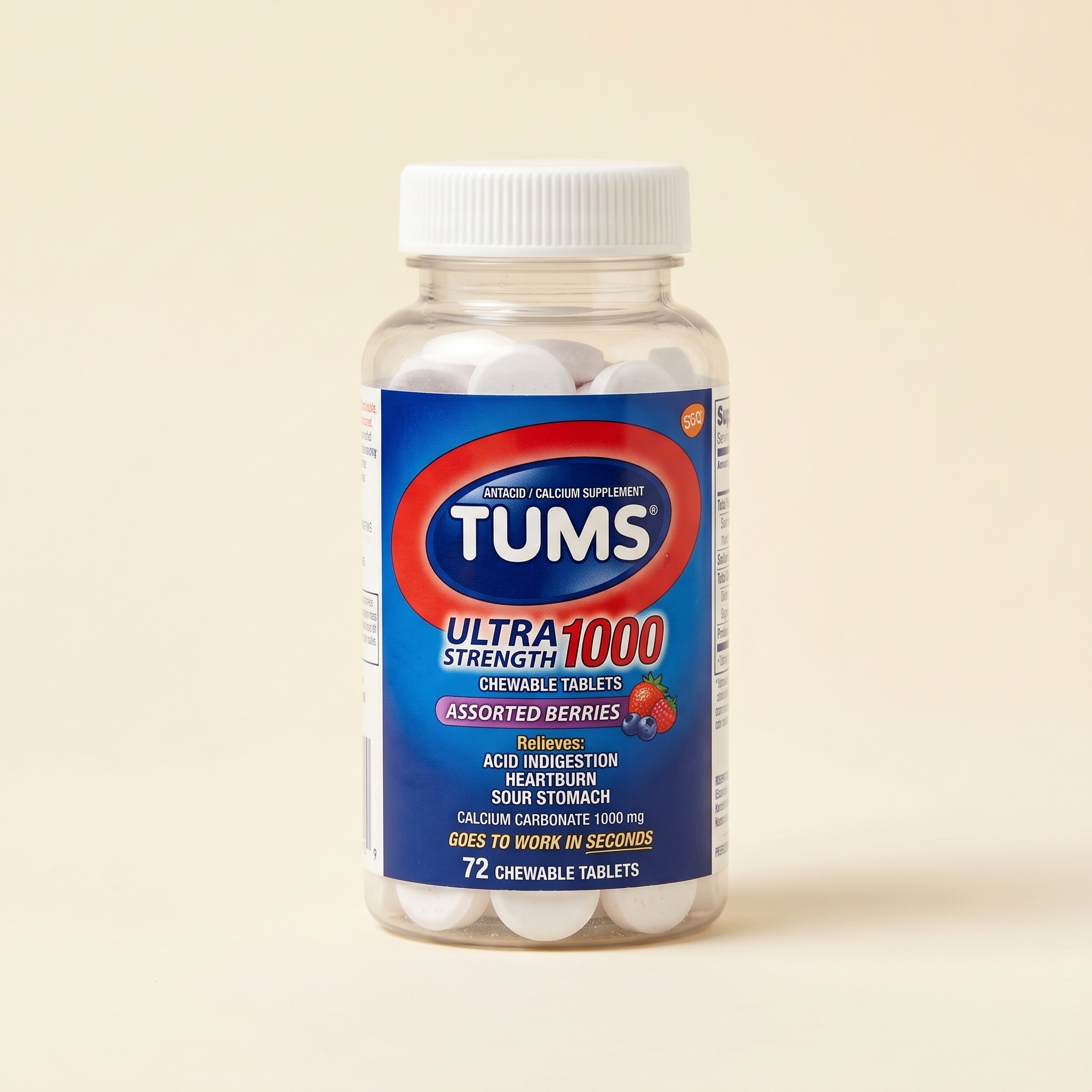
Pros
- Immediate relief (seconds to a few minutes) — the fastest option in this review
- Extremely cheap and available in any pharmacy
- Safe for occasional use during pregnancy (check with OB)
- Provides supplemental calcium as a side effect
Cons
- Relief lasts only 30-60 minutes — the stomach simply produces more acid afterward
- Acid rebound effect: neutralizing acid signals the stomach to make more, creating a dependency loop that keeps you coming back for another dose
- High-calcium intake from frequent use is associated with kidney stones and can interfere with iron and zinc absorption
- Does nothing to support the stomach or esophageal lining — pure symptom management
- Daily users often report needing more per dose over time as the underlying issue worsens
The Bottom Line
Tums are the default for a reason: they work in seconds and cost almost nothing. But "working" here means "turning off the burn for 45 minutes." For occasional heartburn after a heavy meal, they're a reasonable tool. For chronic daily reflux, they become the thing keeping you stuck — the rebound effect means you're always one hour away from needing another chew, and nothing in that cycle is addressing the underlying issue.
DIY "Natural" Acid Remedies
Apple cider vinegar · Baking soda · Lemon water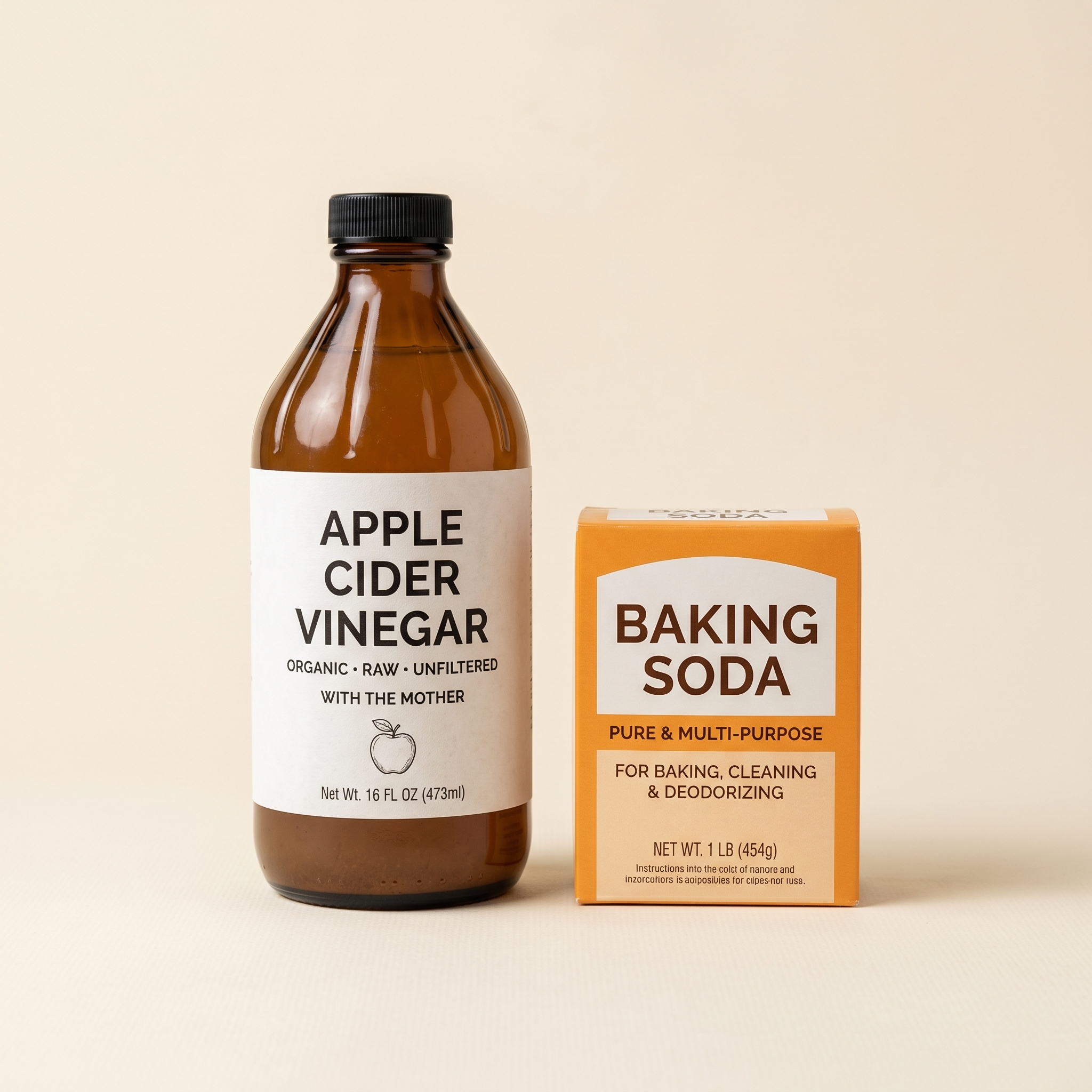
Pros
- Cheap and accessible — everything is already in your pantry
- No prescription or purchase required
- Feels "natural" (though this does not mean safe or effective)
Cons
- Apple cider vinegar is acid. Adding acid to an already-inflamed esophagus makes the burn worse for most patients. It also erodes tooth enamel with repeated daily use.
- Baking soda neutralizes acid but is extremely high in sodium (~1,260mg per teaspoon). Unsafe for anyone with hypertension, heart disease, kidney disease, or on a sodium-restricted diet. In rare cases, excessive use has caused stomach rupture.
- Lemon water has zero evidence base for reflux. Despite persistent internet claims, it is acidic and makes most patients worse.
- No randomized controlled trials support any of these as effective treatments for chronic reflux
- Relying on DIY remedies often delays people from getting actual diagnostic workup — which matters because chronic untreated reflux raises risk for Barrett's esophagus and esophageal cancer
The Bottom Line
The internet loves these remedies because they're free, folksy, and tell a story about pharmaceutical companies wanting you sick. The clinical reality is that they range from useless to actively harmful. If you have chronic reflux, see a doctor, get evaluated, and use an intervention with actual evidence behind it. There's nothing "natural" about untreated chronic inflammation in your esophagus.
Quick Comparison
| Option | Mechanism | Onset | Long-Term Safe? | Root Cause? | Score | Grade |
|---|---|---|---|---|---|---|
| Belly Jellys DGL | Protects stomach lining | ~30 min | Yes | Yes | 9.4 | A |
| Famotidine (Pepcid) | Blocks H2 receptors | 60-90 min | With caveats | No | 7.2 | B- |
| Omeprazole (Prilosec) | Shuts off acid pumps | 1-4 days | Not as labeled | No | 6.0 | C |
| Calcium Antacids (Tums) | Neutralizes acid | Seconds | Occasional only | No | 5.5 | C- |
| DIY (ACV / Baking Soda) | Inconsistent / Risky | Varies | No | No | 3.2 | D |
How We Evaluated These Remedies
We scored each option across five criteria, weighted toward the factors most likely to affect real-world outcomes for chronic sufferers: mechanism (whether the option addresses the underlying mucosal issue or only suppresses acid), long-term safety (daily-use safety profile over 12+ months, including labeled warnings and nutrient-absorption impact), clinical evidence (peer-reviewed human trials, not marketing claims), value (true cost per day and per relief episode), and customer satisfaction (aggregated reviews from Amazon, Trustpilot, direct-brand channels, and medication-review databases). We consulted a board-certified gastroenterologist on interpretation of mechanism and safety data. Nothing in this article is individual medical advice; anyone considering a change to prescription medication should speak with their prescribing physician.
The Bottom Line
The acid reflux category is a case study in what happens when symptom management becomes the entire business model. Nearly every mainstream option — from $8 Tums to $200-a-month branded PPIs — is some version of "turn off the acid." The problem is that turning off the acid isn't what most chronic sufferers actually need. What they need is for their stomach to be able to tolerate its own acid again. And that's a completely different problem.
Of the five options we reviewed, only one is built around that second problem: Belly Jellys. DGL is not a new idea — there are clinical trials from the 1970s comparing it head-to-head against cimetidine (the predecessor to Zantac) in ulcer outcomes. The reason DGL never broke through to mainstream awareness is painfully simple: traditional DGL tablets taste terrible, patients stopped taking them, and the supplement industry moved on to easier products. A palatable gummy format is the dumbest-sounding and simplest reason for a comeback, but it's the reason this category is getting another look.
If you've been cycling through Tums, PPIs, H2 blockers, and wedge pillows for years, Belly Jellys is the first thing we'd try. It won't help everyone — no supplement does — but the 60-day money-back guarantee means you're genuinely only out the time, not the money, if you're in the group it doesn't help. For everything else in this review: use them as intended. The OTC PPI is a two-week course. The antacid is an occasional tool. The DIY remedies should be retired. And if you've been on a daily PPI for over a year, please talk to your doctor about a taper plan.
"The question I get from patients isn't 'what stops the acid?' — we have many drugs that do that, and most of them have side-effect profiles that the original FDA approvals never anticipated for long-term daily use. The question I wish more people asked is: 'why can't my stomach handle its own acid anymore, and what supports it?' The answer to the second question is much shorter, much older, and much less profitable. Which is probably why it gets less attention."
— Dr. Marcus R., Gastroenterologist
Belly Jellys DGL Gummies
The only acid reflux option in our review built around protecting the stomach lining instead of suppressing acid — with 100+ clinical studies behind DGL, 50,000+ customers, and a 60-day money-back guarantee that genuinely lets you test whether it works for your body.
Shop Belly Jellys


